F · 01
Male infertility
Cellular and molecular determinants of impaired male fertility — from oligozoospermia and cryptozoospermia to non-obstructive azoospermia. Connecting clinical phenotype to underlying biology.
Clinical biology
No. 01 / Cover Subject
Medical biology, proteomics & the biomarkers of male infertility.
A working scientist bridging reproductive biology, proteomic analysis, and translational biomedical research — looking for the protein signatures that could one day make male infertility a measurable, diagnosable, and clinically actionable condition.
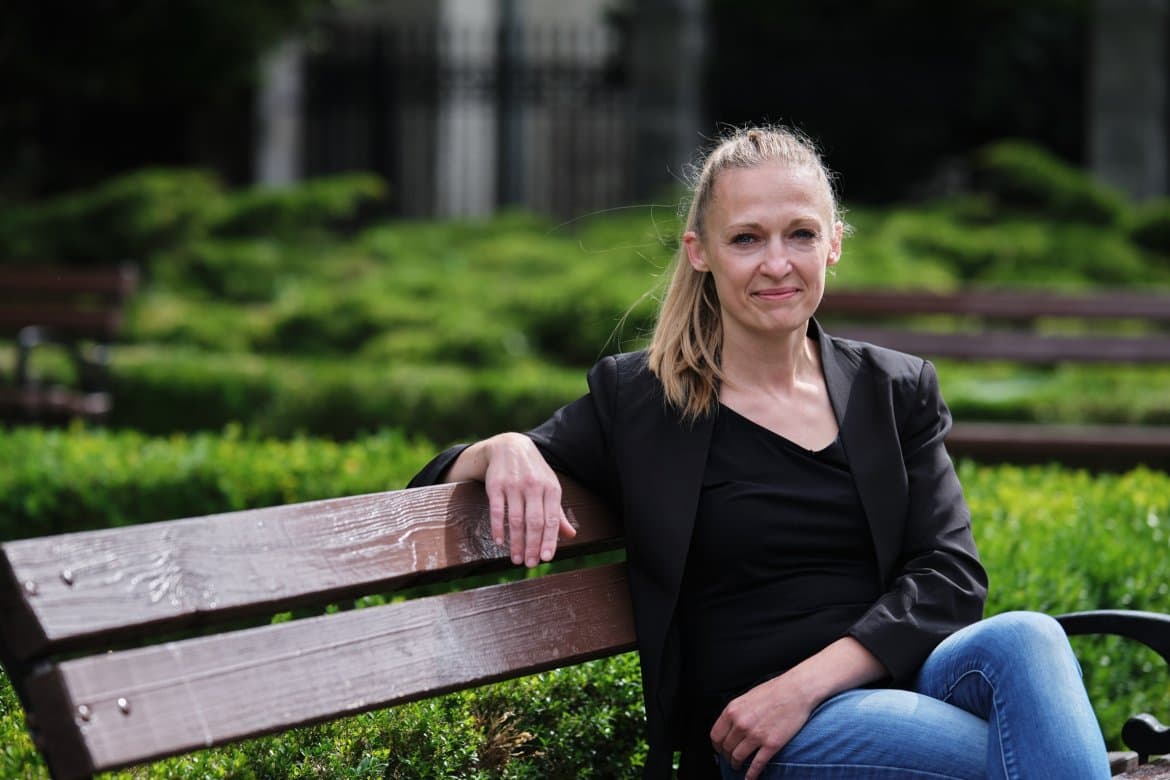
Two decades of laboratory craft, from molecular biology and human genetics to high-resolution proteomics — all aimed at one question: what makes a sperm cell fail to fulfill its biological promise?
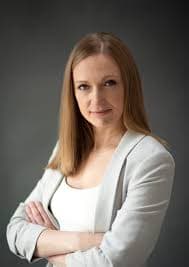
dr Karolina Nowicka-Bauer holds a PhD in Medical Sciences in the field of Medical Biology, and works at the Centre for Advanced Technologies of Adam Mickiewicz University in Poznań.
Her scientific path began in human genetics at the Institute of Human Genetics of the Polish Academy of Sciences, where she spent nearly a decade investigating the cellular and molecular underpinnings of human reproduction. That work shaped a lasting fascination with one of biology's most asymmetric processes — spermatogenesis — and with the protein machinery that decides whether a single male gamete will be functional, fertile, and clinically viable.
Today, her research moves between three planes: the proteomic landscape of sperm cells and seminal plasma, the redox chemistry of oxidative stress (with a particular focus on 4-hydroxynonenal), and the translation of these mechanisms into clinically actionable biomarkers for male infertility — a condition that still goes underdiagnosed and undertreated worldwide.
“The male germ cell is one of the most asymmetric, beautifully engineered cells in human biology — and one of the worst-understood, clinically.”
From the molecular signatures of male germ cells to the redox chemistry that quietly compromises them — the work traces a single arc, from mechanism, to measurement, to medical relevance.
Cellular and molecular determinants of impaired male fertility — from oligozoospermia and cryptozoospermia to non-obstructive azoospermia. Connecting clinical phenotype to underlying biology.
High-resolution mass-spectrometry mapping of the male reproductive proteome — the proteins that govern motility, capacitation, and fertilising potential.
Protein signatures in seminal fluid that distinguish fertility phenotypes — candidate markers for earlier, more granular andrological diagnostics beyond conventional semen analysis.
How 4-hydroxynonenal — a reactive aldehyde generated under oxidative stress — modifies sperm proteins and contributes to their functional decline.
Spermatogenesis as a window into cell differentiation, chromatin remodelling, and the special biology of post-meiotic cells that carry the genetic future of the species.
Carrying findings from the bench toward the clinic — collaborating with andrologists, urologists, and clinical chemists to turn mechanisms into measurable tools.
A small selection of recent papers that map where the work currently sits — between photo-oxidation chemistry, clinical andrology, and the medicinal chemistry of next-generation therapeutics.
Examines how stable molecular complexes between PR-10 proteins and a photosensitiser reshape the very mechanism by which oxidative damage is initiated — with implications for protein chemistry, allergen biology, and photodynamic processes in living systems.
A first-in-class proteomic comparison of seminal plasma across three severe male-infertility phenotypes, pointing to candidate protein biomarkers that could one day refine andrological diagnostics beyond the conventional semen analysis.
A collaborative chemistry-biology study introducing structurally modified thiopurine analogues — characterising their photophysics and screening for cytotoxic activity that could inform future oncological drug design.
Full publication list · ORCID · Ludzie Nauki
How a reactive aldehyde — generated quietly by oxidative stress in the male reproductive tract — may rewrite sperm function, and how that signal might be read out as a clinical biomarker.
To characterise the role of 4-hydroxynonenal (4-HNE) — a reactive lipid-derived aldehyde generated under conditions of oxidative stress — in modifying sperm proteins, and to assess how those protein adducts correlate with measurable parameters of male fertility.
Beyond mechanism, the project asks whether 4-HNE-modified proteins could serve as a tractable, measurable signal in andrological diagnostics — opening the door to redox-aware biomarkers for couples facing unexplained or idiopathic male infertility.
Imbalanced ROS production in the male reproductive tract.
Lipid peroxidation releases a highly reactive aldehyde species.
Covalent modification of cysteine, lysine, histidine residues.
Compromised motility, capacitation, fertilising potential.
A redox-aware signal for andrological diagnostics.
A path that moved from human genetics to high-resolution proteomics — and from purely fundamental biology toward biomarkers that may eventually reach the clinic.
Graduated from the Faculty of Biology, Adam Mickiewicz University in Poznań. First serious encounter with molecular biology and the kind of careful experimental work that would define everything that followed.
Nearly a decade as a researcher in one of Poland's leading reproductive-genetics groups — investigating the genetic and molecular underpinnings of human spermatogenesis, sperm function, and male infertility.
Doctoral degree awarded for work at the boundary of cell biology, andrology and molecular medicine. The thesis cemented a long-standing interest in the male germ cell as a unique experimental system.
Five years of research and collaboration spanning the Faculty of Biology and the Centre for Advanced Technologies — focusing on sperm and seminal-plasma proteomics, oxidative stress, and biomarker discovery.
Reproductive biology, proteomics, oxidative stress and the 4-HNE axis — with a steady focus on translating mechanistic findings into clinically meaningful biomarkers for male infertility.
Long-standing collaborators from human genetics, structural biology, organic chemistry, and clinical andrology — an interdisciplinary network that makes the work possible.
FIG. 04 · Collaboration graphN = 10 collaborators · 2 clusters
Short essays and field notes from the bench — written for readers who care about how reproductive science actually works. Long-form, peer-reviewed papers live in /04 Publications; this is the editorial counterpoint.
A semen analysis tells you how many sperm are swimming. Proteomics tells you what each one is made of — and why some of them are quietly failing.
For most of modern andrology, the diagnostic toolkit has rested on a single measurement: count what you can see under a microscope. But the male germ cell is one of the most molecularly compressed objects in human biology — and most of its story is written in proteins. This essay walks through what modern mass spectrometry can read out of a single ejaculate, why those signatures matter for couples facing unexplained infertility, and where the field is moving next.

A clinical-friendly walk-through of what a "biomarker" actually is, how a candidate becomes a validated test, and why male infertility has been so slow to acquire ones we trust.
What happens inside a sperm cell when its lipids start to oxidise — and how reactive aldehydes like 4-HNE quietly rewrite the proteins that decide fertilising potential.
A short field guide to seminal-plasma proteomics — what we can already measure, what remains tantalisingly out of reach, and why the fluid surrounding the sperm cell may matter as much as the cell itself.
Whether you are a researcher, a student, or a clinical partner, the door is open — from joint proteomics projects to early-career mentoring and translational alliances.
Open to joint projects in sperm and seminal-plasma proteomics, redox biology, biomarker validation, and exploratory work on oxidative-stress mediators of cellular dysfunction.
Open to mentoring MSc and PhD students with a serious interest in molecular biology, andrology, proteomics, and the experimental craft of reproductive biomedicine.
Open to translational partnerships with andrology clinics, IVF centres, diagnostic companies, and biomedical consortia interested in biomarker discovery and validation.
Send a short note describing what you're working on and what kind of collaboration you have in mind. I read every message personally.